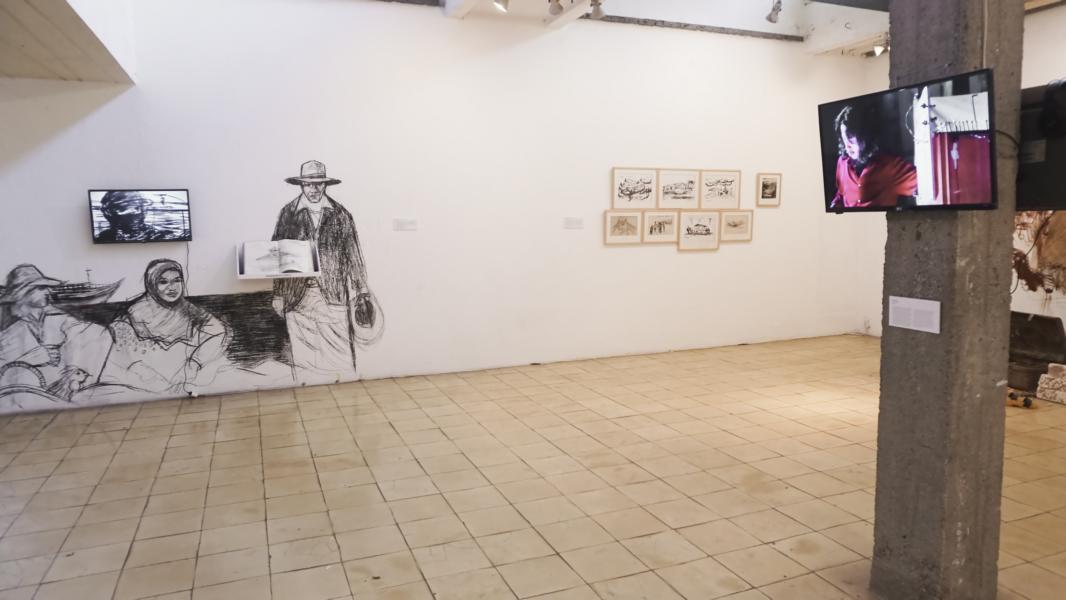
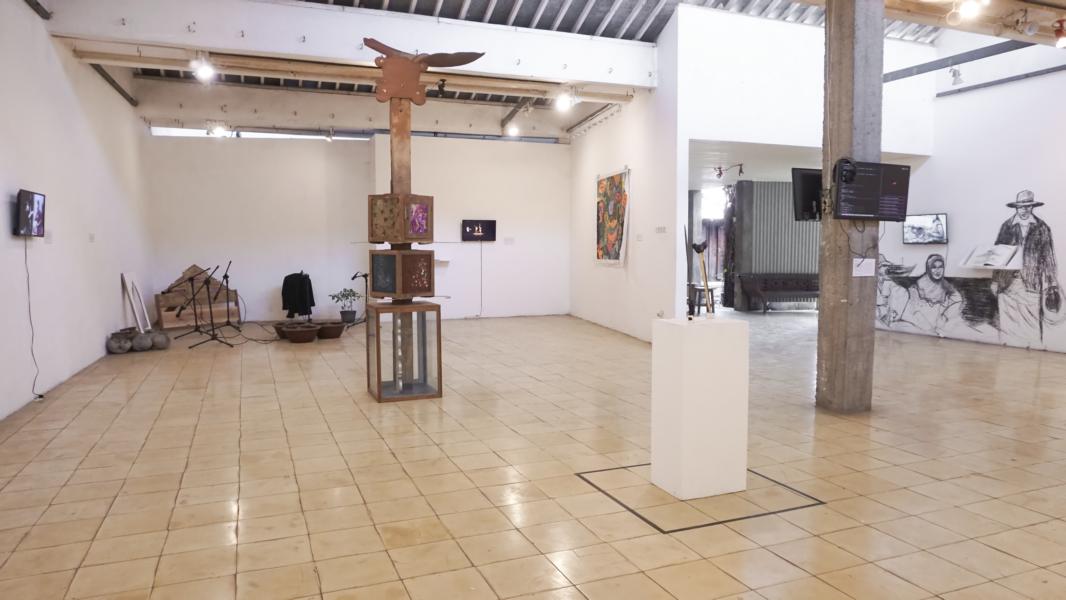
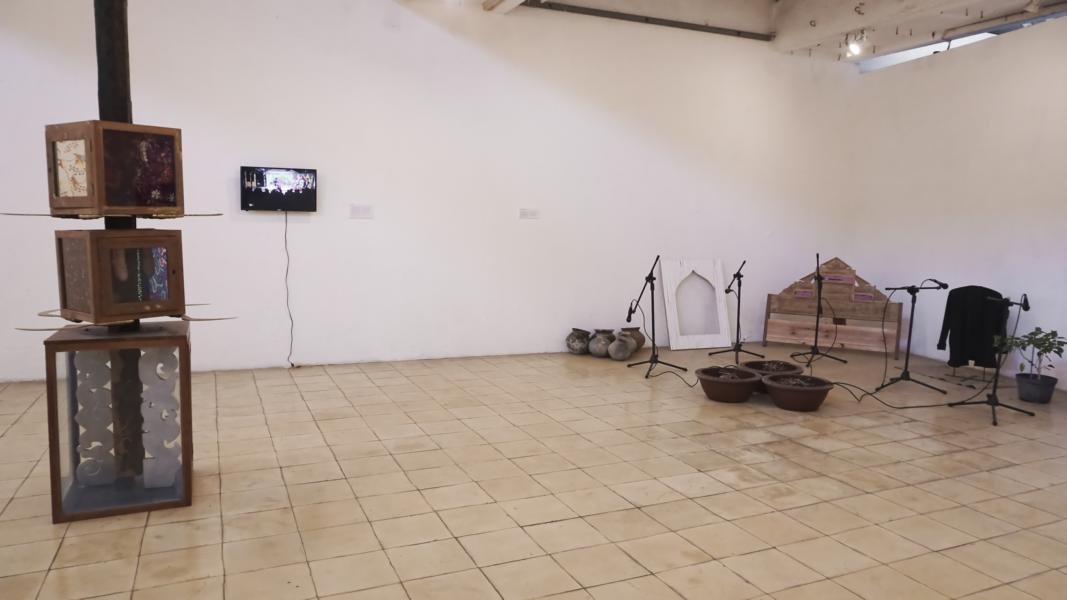
The exhibition tries to deconstruct and re-examine Madura as a psycho-geographical and cultural region within a broader spectrum. The commissioned artists will at least represent the diversity: some of them are the residents of Madura, some others are Madurese diaspora, representatives of Pandalungan, and non-Madurese visual artist who can provide a more objective view. The works on exhibited speak for four groups of narratives, namely history, coast, ground, and gender.
The genealogy of Java and Madura might be traced back to the rebellion of Trunajaya in the mid-17th century. Trunajaya, the ruler of West Madura, gathered more power to undermine, and eventually tear apart, the center of power of Mataram. But the victory did not last. Amangkurat II who had managed to escape and asked VOC for help, struck back the rebel troops and murdered Trunajaya before the eyes of many regents and Javanese nobles. His action affirmed the full and unbroken power of Mataram.